
Why Global Brands Look to Bangladesh
The global fashion industry is constantly searching for dependable apparel manufacturing partners that can deliver the right balance of quality, cost, production capability, and delivery reliability. For many international buyers, Bangladesh has become an important sourcing destination because of its established garment manufacturing ecosystem and experience serving overseas markets.
From everyday T-shirts and polo shirts to knitwear, dresses, activewear, jackets, and other clothing categories, Bangladesh offers access to a wide range of apparel production capabilities. However, successful sourcing involves much more than finding a factory with an attractive price.
A buyer must understand fabric quality, product development, factory capacity, production planning, compliance, inspections, and export coordination. The right sourcing partner helps bring these elements together.
For fashion brands exploring new manufacturing opportunities, Bangladesh can be a valuable part of a well-planned global supply chain.
1. A Well-Established Apparel Manufacturing Ecosystem
One of Bangladesh’s major sourcing advantages is its established garment manufacturing industry.
Over several decades, the country has developed extensive experience producing clothing for international markets. This has supported the growth of factories, textile suppliers, washing facilities, accessories manufacturers, packaging suppliers, and logistics services.
An apparel order often involves many connected activities:
- Fabric and yarn sourcing.
- Knitting or woven fabric production.
- Dyeing and finishing.
- Cutting and sewing.
- Printing, embroidery, or washing.
- Garment finishing and packing.
- Quality inspection.
- Export and shipment coordination.
For buyers, an established ecosystem can make it easier to develop products and coordinate production through suitable suppliers.
Why this matters: A sourcing destination is more valuable when its manufacturing capabilities extend beyond a single factory. Buyers benefit from access to a broader network of production and support services.
2. Diverse Product Categories for International Buyers
Bangladesh is widely associated with knitwear and ready-made garments. Its apparel production capabilities also cover a variety of product categories.
Depending on factory specialization, buyers may explore:
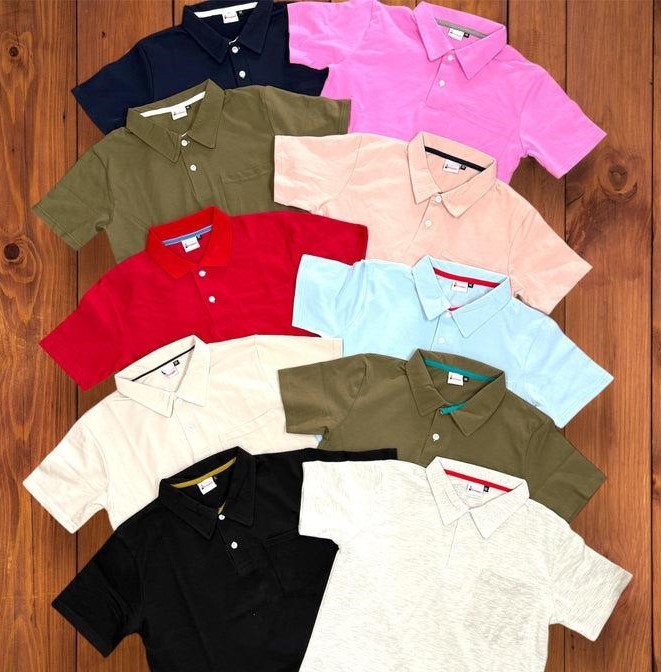
T-Shirts & Polos – Everyday basics and branded collections.
Knitwear – Sweaters, cardigans, and knit tops.
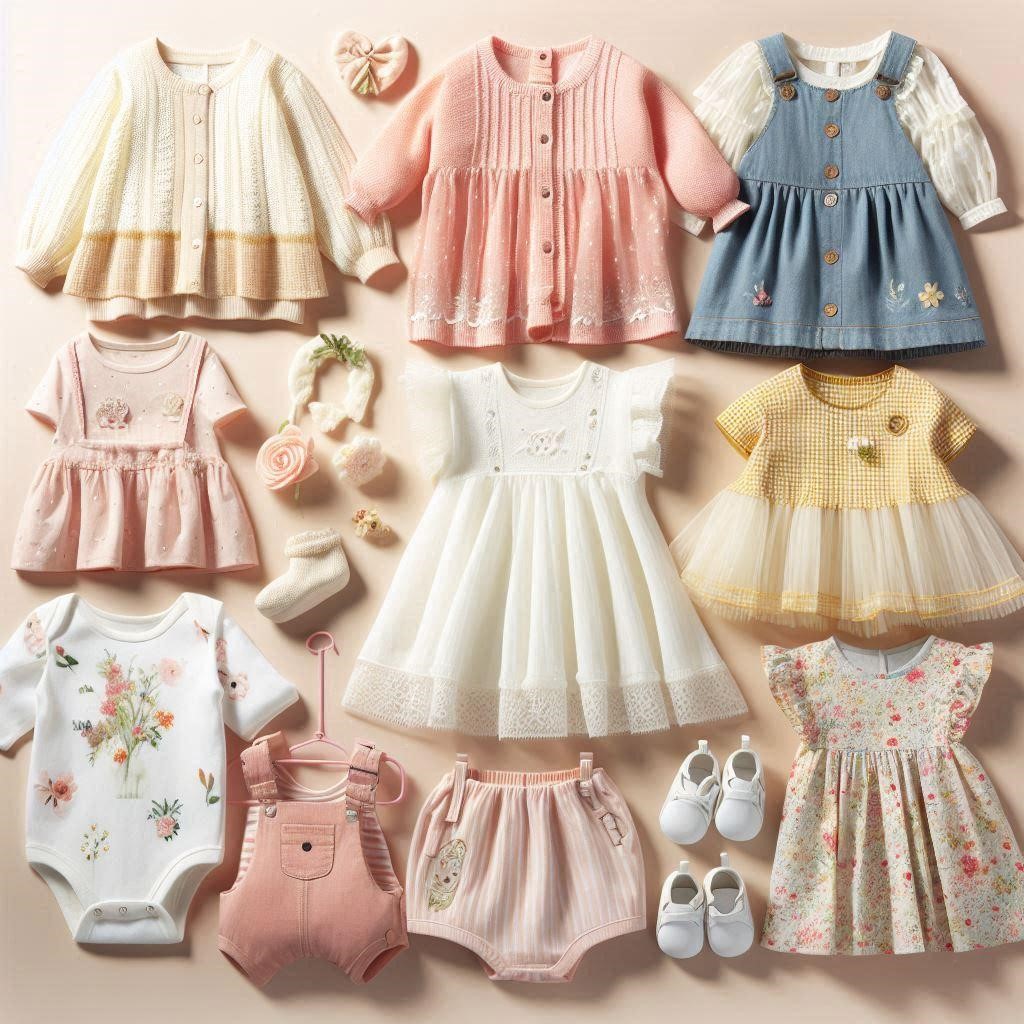
Kidswear & Babywear – Children’s apparel and coordinated sets.
Activewear – Sportswear and performance-inspired garments.
Other categories may include dresses, skirts, pants, leggings, padded jackets, vests, and fashion basics.
Not every factory produces every category. Buyers should match their product requirements with a supplier’s actual machinery, experience, and capacity.
3. Competitive Cost Opportunities
Apparel buyers frequently compare manufacturing destinations based on total landed cost rather than factory price alone.
Bangladesh can offer competitive sourcing opportunities for certain product categories, particularly when buyers work with suitable factories and plan orders effectively.
However, the cheapest quotation is not always the most economical choice.
A garment’s total cost may include:
- Fabric and yarn.
- Trims and accessories.
- Cutting and sewing.
- Printing, embroidery, or washing.
- Quality control.
- Packaging.
- Freight and export-related expenses.
- Duties, taxes, and other destination costs.
For example, a supplier offering a lower unit price may require a higher MOQ or have longer lead times. Another supplier may quote slightly more but offer better quality consistency and more efficient production.
How buyers can protect their margins
- Request a clear quotation based on the same specifications.
- Confirm fabric composition and GSM.
- Compare sample quality before bulk orders.
- Clarify MOQ by style, color, and size.
- Ask about production lead times.
- Review packaging and shipment terms.
- Consider total landed cost.
A professional sourcing agency can help buyers compare supplier quotations on a more consistent basis.
4. Experience With International Buyer Requirements
International apparel buyers often have detailed expectations regarding product quality, measurements, labeling, packaging, delivery schedules, and compliance.
A successful supplier must understand that different brands may use different:
- Size charts.
- Fabric specifications.
- Color standards.
- Measurement tolerances.
- Packaging instructions.
- Labeling requirements.
- Quality standards.
- Inspection procedures.
For example, a European fashion retailer and a US streetwear brand may request different fits, fabrics, and packaging.
The buyer’s product specification should therefore be documented clearly before production begins.
At ELITE SOURCING BD, the sourcing process can be structured around understanding buyer requirements, identifying suitable production partners, coordinating development, and supporting quality control.
5. Product Development and Sampling Support
A successful apparel order usually begins long before bulk production.
Buyers may need to develop:
- Initial design samples.
- Fit samples.
- Size-set samples.
- Pre-production samples.
- Lab dips.
- Fabric and trim approvals.
Sampling helps buyers evaluate how a product will look and perform before committing to large quantities.
A sourcing partner can support communication between the buyer and factory throughout this process.
For example, if a T-shirt sample has an incorrect sleeve length or fabric hand feel, the issue should be addressed before bulk production.
The goal is simple: Reduce avoidable errors by confirming the product before manufacturing begins.
6. Quality Control Is Essential
Competitive pricing and production capacity mean little if finished garments fail to meet buyer expectations.
Quality control should be planned throughout the production process.
Important inspection areas include:
- Fabric defects.
- Color consistency.
- Measurements.
- Stitching quality.
- Seam strength.
- Print and embroidery placement.
- Garment appearance.
- Labels and trims.
- Packing accuracy.
A buyer may request specific inspection methods or acceptance criteria. These should be agreed upon before production.
Why inline inspection matters
Inline inspection takes place during production rather than waiting until the order is finished.
It can help identify issues early, such as:
- Uneven stitching.
- Incorrect measurements.
- Fabric shade variation.
- Production defects.
- Incorrect construction.
Early detection can reduce rework, delays, and unnecessary costs.
7. Responsible and Compliant Sourcing
Modern fashion buyers increasingly evaluate more than product quality and price.
They may also consider:
- Worker health and safety.
- Labor practices.
- Environmental management.
- Factory transparency.
- Chemical management.
- Traceability.
- Customer-specific compliance requirements.
A sourcing agency should help buyers understand the documentation and verification required for their particular market and brand.
It is important not to assume that a factory is compliant simply because it produces garments for export. Buyers should request relevant audit reports, certifications, and other evidence, then verify their scope, validity, and applicability.
Compliance requirements vary by customer, product, and destination market.
8. How to Choose the Right Bangladesh Sourcing Partner
The right sourcing partner can help make the buying process more organized and transparent.
Before selecting an agency or supplier, international buyers should consider:
Product expertise
Does the partner understand your product category, fabric requirements, and construction details?
Supplier network
Can the partner identify factories that are suitable for your order size and product?
Communication
Can the partner communicate clearly about sampling, pricing, production status, and problems?
Quality assurance
Does the partner have a defined inspection and quality follow-up process?
Compliance awareness
Can the partner help you understand factory documentation and buyer requirements?
Transparency
Are quotations, production updates, and issues communicated honestly?
A good sourcing relationship should be based on realistic commitments rather than promises that cannot be supported.
9. How ELITE SOURCING BD Supports International Buyers
ELITE SOURCING BD is positioned as an apparel buying agency in Bangladesh supporting international fashion brands with garment sourcing and production coordination.
The sourcing journey can include:
Our sourcing workflow
- Buyer inquiry and product requirements.
- Supplier identification and quotation comparison.
- Sample development and approval.
- Production monitoring and quality control.
- Finishing, packing, and shipment coordination.
The exact scope of services should be confirmed with the buyer before an order is placed.
10. Practical Checklist for New Buyers
Before beginning your first sourcing project in Bangladesh, prepare:
- Product designs or tech packs.
- Fabric composition and GSM requirements.
- Size chart and measurement specifications.
- Estimated order quantity.
- Target price or costing expectations.
- Preferred delivery date.
- Quality requirements.
- Packaging and labeling instructions.
- Required compliance documents.
- Destination country and shipping requirements.
This information helps suppliers provide more accurate quotations and reduces misunderstandings.
Finally
Bangladesh offers international fashion brands an established apparel manufacturing ecosystem, diverse product capabilities, and opportunities for competitive sourcing.
But successful sourcing depends on choosing the right production partner, communicating specifications clearly, developing samples carefully, managing quality, and planning delivery.
For international buyers, a professional sourcing agency can help coordinate these activities and make the process more structured.
ELITE SOURCING BD is ready to support brands seeking reliable apparel sourcing solutions from Bangladesh.
Start Your Sourcing with Us
Looking for a reliable apparel sourcing partner in Bangladesh? Share your product requirements with ELITE SOURCING BD and explore the next steps for your clothing collection.
FAQs
1. Why do global brands source apparel from Bangladesh?
Bangladesh has an established apparel manufacturing ecosystem, a broad range of garment production capabilities, and experience serving international markets. Buyers should evaluate each supplier based on product, quality, cost, and compliance requirements.
2. What types of clothing can be sourced from Bangladesh?
Depending on factory specialization, buyers may source T-shirts, polo shirts, knitwear, dresses, kidswear, activewear, jackets, and other apparel categories.
3. How can I find a reliable garment supplier in Bangladesh?
Start by defining your product specifications, then evaluate supplier experience, samples, capacity, quality systems, documentation, and communication.
4. Is Bangladesh suitable for small clothing brands?
It can be suitable for some small brands, but MOQ, fabric requirements, and production capacity vary by factory. Buyers should discuss smaller order options during the sourcing process.
5. What does an apparel buying agency do?
An apparel buying agency can help coordinate supplier identification, sampling, quotation comparison, quality control, production follow-up, and shipment arrangements.