
Choosing the Right Fabric: A Practical Guide for International Buyers
Fabric choices shape far more than how a garment looks. They influence how it feels, how well it wears, what it costs to make and whether customers will want to buy it again. Even a thoughtful design can disappoint if the fabric feels uncomfortable, shrinks in the wash, loses its shape, pills or simply doesn’t match what customers expected. The right material, by contrast, can strengthen a product, support a brand’s identity, and help prevent problems during production.
For international apparel buyers sourcing from Bangladesh, choosing fabric takes more than picking a color or handling a sample. The country has a broad textile and garment manufacturing base, but factories differ in the materials, constructions, finishes, and product categories they handle best.
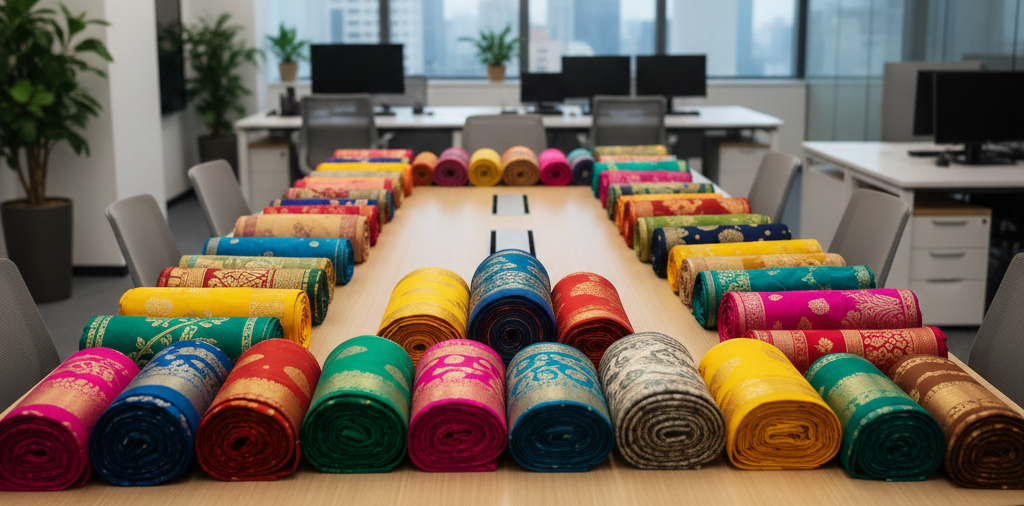
This guide walks through the main points to consider – from the fiber and construction to weight, performance, sustainability, cost and supplier capability – before approving fabric for production.
1. Start with the garment’s purpose
Before asking a supplier for fabric options, be clear about how and where the garment will be worn. A light summer T-shirt, for example, calls for different qualities than a structured sweatshirt, a children’s outfit, activewear or a winter jacket.
Think through questions such as:
- What type of garment are you developing, and which season is it for?
- Will people wear it indoors, outdoors or while exercising?
- Should it feel light, substantial, soft, structured, stretchy or breathable?
- Is it a basic, premium, luxury, performance or sustainability-focused product?
- What retail price and production cost are you targeting?
- Will it need to withstand frequent washing or offer a specific performance feature?
Typical fabric priorities vary by garment:
| Garment | Common fabric priorities |
| Basic T-shirt | Soft feel, breathability and shape stability |
| Polo shirt | Piqué or jersey construction, structure and durability |
| Sweatshirt | Fleece or French terry for warmth and comfort |
| Leggings | Stretch and recovery, opacity and moisture management |
| Summer dress | Light weight, drape and breathability |
| Workwear | Strength, abrasion resistance and lasting color |
| Babywear | Softness, comfort against the skin and safe finishes |
| Outdoor jacket | Water resistance, wind protection and durability |
The clearer the product brief, the easier it is for a sourcing partner or factory to recommend suitable, realistic options.
2. Choose a fiber composition that suits the product
Fiber composition tells you which materials make up a fabric. Common apparel fibers include cotton, polyester, viscose, modal, nylon, elastane, linen, wool and recycled fibers. Each has strengths and trade-offs.
Cotton
Cotton is widely used in T-shirts, casualwear, underwear, babywear, shirts and other lightweight garments. It is soft, breathable, comfortable for everyday wear, absorbent, easy to dye and available in many constructions.
It can shrink if it hasn’t been treated properly, wrinkle more than many synthetic fibers or lose its shape depending on the construction. Colorfastness and finishing also need careful control.
Common options include 100% cotton single jersey, interlock, rib, piqué, fleece, French terry, poplin and twill. For a more premium T-shirt, buyers might consider combed, compact, long-staple or ring-spun cotton, depending on the desired quality and budget.
Polyester
Polyester is common in sportswear, activewear, uniforms, outerwear and performance garments. It is durable, holds its shape well, generally shrinks less than untreated cotton, dries quickly and works with a range of performance finishes. It can also be a cost-effective choice for technical products.
The feel and performance depend heavily on the yarn and finishing. Poorly engineered polyester may feel less breathable, some applications can retain odor and the fabric may not have the natural hand feel some premium customers expect. If recycled polyester is part of a brand’s sustainability goals, ask for reliable documentation and supply-chain verification.
Viscose and rayon
Viscose is often used for dresses, blouses, skirts, shirts, and other garments that benefit from a soft, flowing drape. It feels smooth against the skin and can give a garment an elegant, fluid look.
However, it may shrink or weaken if processing is not well controlled, and it can crease easily. Washing instructions, finishing and the quality of the source material all deserve attention.
Modal
Modal is a soft regenerated cellulose fiber often found in underwear, loungewear, T-shirts and premium basics. It is valued for its smooth feel, drape, and comfort. As with any fiber, confirm the actual composition and check finishing, shrinkage and performance rather than relying on claims alone.
Nylon and elastane
Nylon is used in swimwear, activewear, lingerie and technical garments because it is strong and has a smooth surface. Elastane—also known as spandex—is added when a fabric needs stretch. These fibers may be used in leggings, sports bras, fitted tops, swimwear, stretch jeans and performance clothing.
The elastane percentage matters. A small amount may provide comfortable ease, while a higher percentage may be needed for a close fit or demanding performance use. The right level depends on the garment and how it should fit and move.
3. Look at how the fabric is constructed
Fiber content is only part of the story. Construction also affects a fabric’s feel, stretch, structure and durability.
Knits
Knit fabrics are made by forming loops of yarn. They are common in T-shirts, polo shirts, underwear, sportswear, babywear and casual clothing. Common types include single jersey, interlock, rib, piqué, French terry, fleece, waffle knit and jacquard knit.
Knits are generally comfortable and flexible but they can curl, stretch or lose shape if the construction and finishing aren’t properly controlled.
Wovens
Woven fabrics are made by interlacing warp and weft yarns. They are often used for shirts, trousers, jackets, dresses, uniforms and other structured garments. Common examples include poplin, Oxford, twill, canvas, denim, satin, voile, linen blends and ripstop.
Woven often provide more structure and dimensional stability, although their comfort and stretch vary with the fiber, weave and finish. The garment design should guide the choice between knit and woven construction.
4. Specify GSM and fabric weight
GSM stands for “grams per square meter” and measures fabric weight. It is one of the key specifications in apparel sourcing. A lower GSM usually means a lighter fabric and a higher GSM a heavier one—but weight alone doesn’t determine quality.
As a general reference:
- Lightweight T-shirt: about 120–160 GSM
- Medium-weight T-shirt: about 160–200 GSM
- Heavyweight T-shirt: about 200–260 GSM
- Lightweight sweatshirt: about 240–300 GSM
- Heavy fleece sweatshirt: about 300–450 GSM
These ranges are examples, not universal standards. The right weight depends on construction, fiber, finish, season, market and product positioning.
When requesting a quote or sample, specify the target GSM and acceptable tolerance, fabric width, composition, construction and finishing requirements. For example, “100% combed cotton single jersey, 180 GSM, 180 cm usable width, compact finish, pre-shrunk with a soft hand feel” gives a supplier much more to work with than “good-quality cotton fabric.”
5. Assess the fabric’s feel and appearance
“Hand feel” describes how a fabric feels to the touch. It’s subjective, but it can be central to a fashion or lifestyle product. When reviewing a fabric, consider its softness, smoothness, firmness, thickness, stretch and recovery, texture, drape, hairiness, compactness, transparency and tendency to pill.
Two fabrics can meet the same GSM requirement and still feel very different. For example, two 180 GSM cotton jerseys may differ because of yarn quality, knitting density, finishing and compaction.
Before bulk production, approve a physical swatch or lab dip rather than relying on a description or screen image. If possible, attach the approved fabric to the technical file and keep a reference sample for comparison later.
6. Check shrinkage and dimensional stability
Shrinkage is a common source of garment complaints. Fabric can change during washing, drying, steaming or finishing. Knits are especially sensitive to dimensional changes if they haven’t been properly relaxed and compacted.
Before production, request shrinkage testing under the washing conditions the garment is expected to face. Check lengthwise and widthwise shrinkage, spirality or twisting, growth after stretching and how well the fabric holds its shape after washing. A T-shirt that loses too much length in its first wash, for example, may no longer match the approved measurements.
Factories can manage shrinkage through processes such as fabric relaxation, compaction, heat setting, pre-shrinking, controlled drying, appropriate cutting allowances and garment-washing trials. Buyers should set acceptable limits based on the product and brand standards.
7. Review colorfastness and performance
Getting the shade right is only the beginning. The fabric should also retain its color during washing, rubbing, exposure to perspiration, and exposure to light. Common checks include colorfastness to washing, rubbing, perspiration, light and water, as well as color migration and staining.
Dark shades such as black, navy, burgundy and deep red may need particular attention. For children’s clothing, underwear, sportswear and other garments worn close to the skin, colorfastness and chemical safety are especially important.
When required by brand policy, customer specifications, or destination-market regulations, request test reports from qualified laboratories.
8. Match the fabric to the market
Fabric preferences differ across climates and customer groups. In warm regions, customers may favor lightweight, breathable fabrics, moisture-management materials, looser constructions and soft finishes. In colder regions, heavier jersey, fleece, brushed fabrics, wool blends, thermal constructions and materials suited to layering may be a better fit.
Buyers in Europe and North America may also have specific expectations around fiber traceability, recycled or organic content, chemical restrictions, durability, care labeling and sustainability documentation. The fabric needs to meet both the garment’s practical needs and the expectations of the people who will buy it.
9. Verify sustainability and certification claims
Sustainability is an increasingly important consideration for international brands but broad terms such as “eco-friendly,” “green,” or “sustainable” aren’t enough on their own. Ask suppliers for specific information about fiber origin, recycled or organic content, manufacturing and dyeing processes, finishing, waste management, water and energy use, relevant certifications and chain-of-custody documentation.
Depending on the product and buyer requirements, certifications may cover organic textiles, recycled materials, responsible chemical management or social and environmental production. Confirm requirements before booking fabric: a factory may be able to make a particular fiber blend without holding the documentation a buyer needs.
10. Balance quality with target cost
The most expensive fabric isn’t automatically the right one. The goal is to find an option that meets the product’s requirements for quality, performance, appearance and price.
Fabric cost can be affected by fiber composition, yarn quality, GSM, width, knitting or weaving complexity, dyeing, finishing, special treatments, certification, order and color quantities and market availability.
To compare options, ask suppliers for a few alternatives—for example, a standard commercial option, an upgraded version, a premium choice, a sustainable or certified option, and a cost-saving alternative. For a basic T-shirt, that might mean comparing 100% cotton single jersey, a cotton-polyester blend, combed cotton jersey, organic cotton jersey, and a recycled polyester blend.
Don’t compare only the price per kilogram. Consider garment consumption, performance, shrinkage, the risk of rejection and what customers expect from the product.
11. Test before approving bulk production
Don’t approve bulk fabric based only on a supplier’s description or a digital photograph. A careful approval process can help catch problems before they become expensive.
- Request swatches. Ask for several options, each with complete specifications.
- Review the technical details. Confirm composition, GSM, width, construction, yarn details, stretch percentage, finish and expected shrinkage.
- Make a development sample. Use the proposed fabric to check fit, appearance, sewing performance, and overall suitability.
- Wash the sample. Follow the intended care instructions and assess shrinkage, twisting, color, softness and shape retention.
- Arrange laboratory testing where needed. This may include physical performance, colorfastness, chemical safety or other buyer-specific requirements.
- Keep an approved reference. Retain both a fabric swatch and a garment sample and make sure bulk production is checked against them.
12. Avoid common fabric-selection mistakes
A few recurring mistakes can create unnecessary cost and frustration:
- Choosing on price alone. The cheapest fabric may cost more in the long run if it causes defects, shrinkage, rework, returns or complaints.
- Skipping wash tests. A fabric that looks excellent before washing may change substantially afterward.
- Approving a shade without a lab dip. Screens and digital images can’t reliably show the final production color.
- Leaving GSM tolerance undefined. Even small differences in weight can affect appearance and cost.
- Using the same fabric for every product. Different garments call for different constructions and performance characteristics.
- Assuming sampling availability means bulk availability. Confirm that the fabric can be sourced consistently at production quantities.
- Overlooking supplier capability. A factory experienced in basic jersey may not be the right partner for technical outerwear or complex woven products.
How ELITE SOURCING BD can help
Choosing fabric takes product knowledge, access to suitable suppliers, technical evaluation and clear communication. ELITE SOURCING BD supports international apparel buyers sourcing fabrics and manufacturing solutions from Bangladesh. Depending on a project’s needs that support can include supplier identification, swatch sourcing, composition and GSM coordination, product development, sample follow-up, lab dip coordination, quality control, production monitoring, compliance communication and shipment coordination.
The aim is to help buyers find fabrics that fit their designs, quality standards, target costs and market requirements.
FINALLY
Choosing fabric is a strategic decision, not just a design preference. It affects comfort, appearance, durability, production efficiency, retail price and customer satisfaction.
Before approving bulk production, assess the fiber composition, construction, GSM, hand feel, shrinkage, colorfastness, sustainability requirements, cost and supplier capability. A reliable sourcing partner can help coordinate development, testing, sampling, quality control and production follow-up—making the process clearer and reducing uncertainty.
If you’re developing a new collection or looking for apparel sourcing support in Bangladesh, getting the fabric choice right is a practical first step toward a product customers will be happy to wear.
Need Help Choosing the Right Fabric for Your Clothing Brand?
From cotton jersey and pique to fleece, French terry, woven fabrics, activewear materials and sustainable textile options, ELITE SOURCING BD helps international buyers develop reliable apparel products from Bangladesh.
Start Your Sourcing with Us Today.
Frequently Asked Questions
1. What is the best fabric for clothing brands?
There is no single best fabric for every clothing brand. The right choice depends on the garment type, target market, season, price point, comfort requirements, and performance expectations.
2. What GSM is suitable for T-shirts?
Many T-shirts use fabric between approximately 140 and 220 GSM. Lightweight summer T-shirts may use lower GSM, while premium or oversized T-shirts may require heavier fabric.
3. Is cotton better than polyester?
Cotton is often preferred for softness and breathability, while polyester offers durability, quick drying, and performance benefits. The better option depends on the intended garment and customer requirements.
4. How can buyers prevent fabric shrinkage?
Buyers should request shrinkage testing, approve pre-shrunk or compacted fabric where appropriate, and conduct washing trials before bulk production.
5. What fabric is suitable for activewear?
Activewear commonly uses polyester, nylon, elastane blends, or specialized performance fabrics that provide stretch, moisture management, durability, and shape recovery.
6. Should fabric be tested before production?
Yes. Fabric should be evaluated through swatches, development samples, washing tests, and laboratory testing when required.
7. Can ELITE SOURCING BD help source fabric in Bangladesh?
Yes. ELITE SOURCING BD can support fabric sourcing, supplier coordination, sampling, quality control, production follow-up, and shipment management for international apparel buyers.