
The Future of the Garment Industry in Bangladesh: Opportunities, Innovation, and Global Growth
The garment industry in Bangladesh stands at an important turning point. For decades, the country has built a powerful position in global apparel manufacturing through competitive production costs, skilled workers, strong export capabilities, and relationships with international fashion brands. Today, however, the future of Bangladesh’s garment industry will depend on much more than affordable manufacturing.
Global buyers are looking for suppliers that can deliver quality, speed, transparency, sustainability, ethical production, and innovative products. At the same time, manufacturers face changing consumer expectations, rising production costs, trade uncertainty, environmental responsibilities, and technological disruption.
These changes create both challenges and opportunities. Bangladesh has the potential to move beyond traditional garment manufacturing and become a more advanced, sustainable, and value-added apparel sourcing destination.
For international apparel buyers, understanding this transformation is essential. It can help brands identify reliable suppliers, build resilient sourcing strategies, and make better long-term decisions.
In this article, ELITE SOURCING BD explores the future of the garment industry in Bangladesh, the major trends shaping its development, and what global buyers should expect in the years ahead.
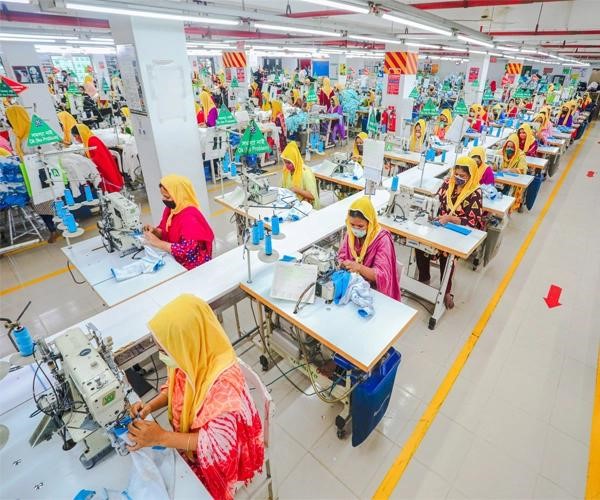
Bangladesh’s Garment Industry: A Strong Foundation for the Future
Bangladesh is one of the world’s leading ready-made garment manufacturing and exporting countries. The industry supplies clothing to international markets and plays a central role in the country’s export economy.
According to the Bangladesh Garment Manufacturers and Exporters Association, Bangladesh’s RMG exports reached approximately US$38.70 billion in fiscal year 2025–26, based on its published export performance data.
The country’s apparel manufacturing ecosystem includes:
- Knitwear and woven garment factories.
- Textile and fabric suppliers.
- Washing, dyeing, printing, and finishing facilities.
- Accessories and packaging manufacturers.
- Quality assurance and compliance services.
- Freight forwarding, logistics, and export support.
Bangladesh’s established production base provides an important advantage as the industry moves toward higher-value and more technologically advanced manufacturing.
The BGMEA’s 2024 industry blueprint identified product diversification, automation, digitalization, resource-efficient technology, circularity, and improved access to finance as important strategies for future growth.
The future opportunity is clear: Bangladesh can build on its manufacturing strength while developing a more efficient, sustainable, and innovative apparel sector.
1. Sustainable Garment Manufacturing Will Become a Major Competitive Advantage
Sustainability is no longer simply a marketing trend. It is becoming an important part of sourcing decisions for international apparel brands.
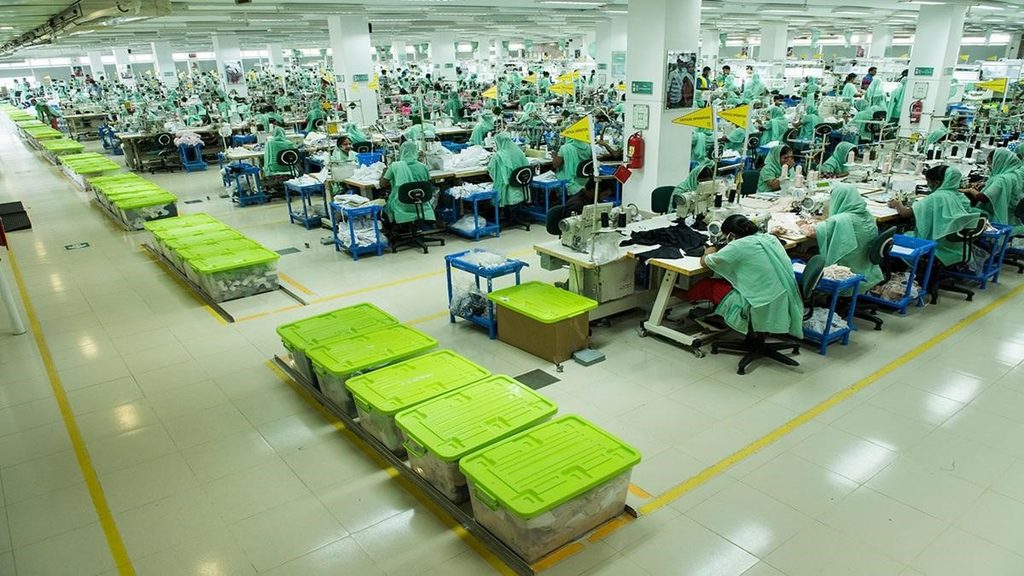
Consumers, retailers, and regulators increasingly expect clothing manufacturers to reduce environmental impact and demonstrate responsible business practices. This is changing how global buyers evaluate suppliers.
What sustainable garment manufacturing means
Future-ready garment factories are likely to focus on:
- Renewable energy and energy-efficient machinery.
- Reduced water consumption during dyeing and finishing.
- Waste reduction and responsible material usage.
- Improved wastewater treatment.
- Safer chemical management.
- Responsible sourcing of cotton, recycled fibers, and other materials.
- Better systems for measuring emissions and environmental performance.
Bangladesh already has a strong foundation in green manufacturing. BGMEA describes the country as a global leader in the number of green factories and highlights energy-efficient technologies and resource conservation as important parts of its sustainability journey.
Bangladesh RMG: Strides Towards Sustainability+1
Why sustainability matters to international buyers
For apparel brands in Europe and the United States, responsible sourcing can support:
- Better alignment with customer expectations.
- More transparent supply chains.
- Improved supplier selection and risk management.
- Stronger long-term brand reputation.
- Readiness for evolving environmental and due-diligence requirements.
Sustainability should be treated as a practical business strategy rather than only a promotional message.
The role of ELITE SOURCING BD
At ELITE SOURCING BD, our sourcing approach emphasizes identifying suitable manufacturing partners, coordinating quality requirements, and supporting responsible apparel production. Buyers should evaluate each factory’s actual capabilities, certifications, environmental practices, and product-specific performance before placing orders.
Future outlook: Sustainable production will increasingly influence supplier selection, product development, and international sourcing relationships.
2. Automation and Smart Technology Will Transform Apparel Production
Technology is one of the most important forces shaping the future of the garment industry in Bangladesh.
Traditional garment production depends heavily on human skills and manual processes. These remain important, but manufacturers are increasingly exploring automation and digital tools to improve efficiency, accuracy, and production planning.
The BGMEA’s industry roadmap specifically highlights automation and digitalization as important areas for maintaining competitiveness.
Key technologies shaping the future
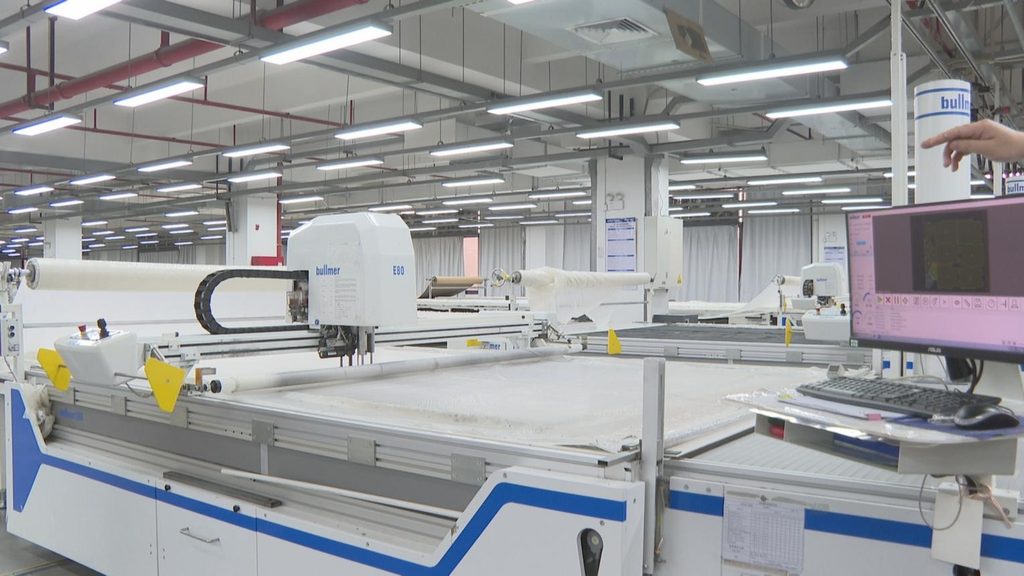
Automated cutting systems
Computer-controlled cutting machines can help improve fabric utilization, consistency, and production efficiency.
Digital production planning
Software can support production scheduling, order tracking, capacity planning, and communication between departments.
AI-assisted forecasting
Artificial intelligence may help brands and manufacturers analyze demand patterns, plan inventory, and improve production decisions. Its value depends on data quality and appropriate implementation.
Digital quality control
Digital inspection tools and production records can improve traceability and help identify recurring defects.
Advanced sewing and finishing equipment
Specialized machinery can improve consistency in selected operations, particularly for products with repeatable construction requirements.
Will automation replace garment workers?
Not necessarily. The future is more likely to involve a combination of skilled human workers and technology.
Human expertise remains important for:
- Garment construction and workmanship.
- Complex product development.
- Quality judgment.
- Machine operation and maintenance.
- Production supervision.
- Problem-solving and technical coordination.
As technology advances, training and workforce development will become increasingly important.
For buyers: Factories with appropriate technology, trained employees, and reliable production systems may be better positioned to handle complex orders and consistent quality requirements.
3. Product Diversification Will Create New Growth Opportunities
For many years, Bangladesh’s garment industry has been strongly associated with basic T-shirts, trousers, sweaters, shirts, and other large-volume apparel products. These categories remain important, but future growth will increasingly require a broader product portfolio.
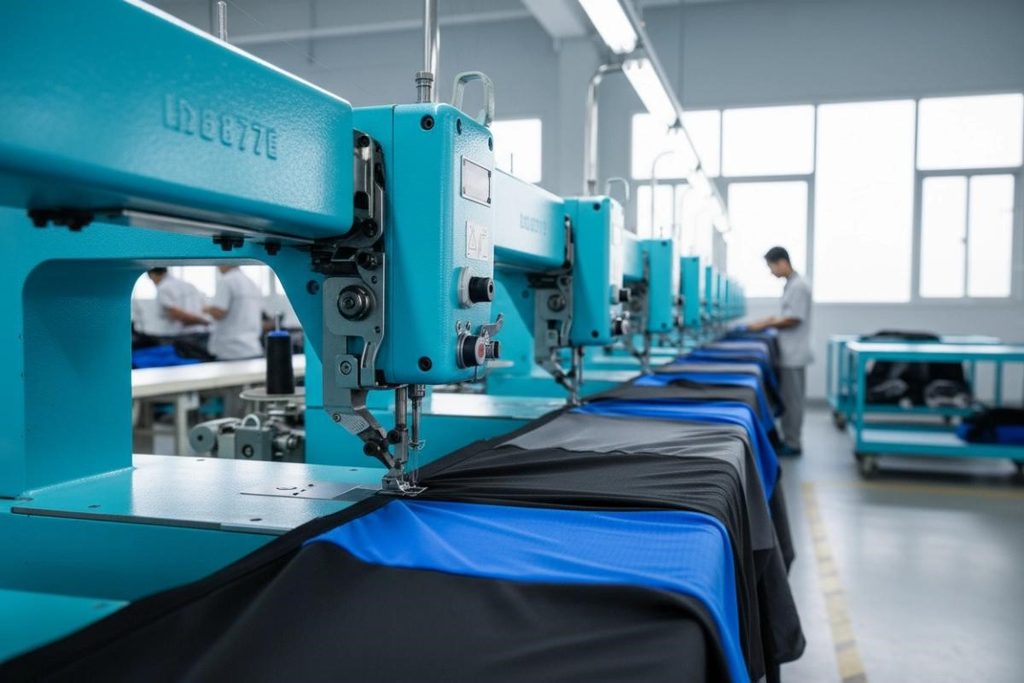
Product diversification means expanding into garments with different materials, construction methods, design requirements, and value propositions.
High-potential product categories
Activewear and sportswear
Demand for comfortable, functional, and performance-oriented clothing creates opportunities for technical knit fabrics, stretch materials, moisture-management garments, and sports collections.
Premium knitwear
Higher-quality sweaters, cardigans, knit tops, and fashion knitwear can help manufacturers move into more specialized segments.
Outerwear
Jackets, padded vests, non-padded jackets, and other outerwear products offer opportunities for technical materials and more complex construction.
Sustainable apparel
Garments made with recycled fibers, certified materials, and lower-impact production processes may appeal to brands with specific sustainability goals.
Specialized fashion products
Dresses, blouses, children’s wear, leggings, and other fashion-focused categories can support a wider range of customer requirements.
Why diversification matters
A broader product mix can help the industry:
- Reach more international buyers.
- Reduce dependence on a limited number of product categories.
- Build technical manufacturing expertise.
- Improve value-added production opportunities.
- Respond to changing fashion trends.
The future of Bangladesh’s garment industry will not be defined only by how many garments it produces. It will also be defined by the quality, complexity, innovation, and value of those garments.
4. Bangladesh Will Need to Expand Beyond Traditional Export Markets
The United States and European markets have long been important destinations for Bangladeshi apparel. Maintaining strong relationships with existing customers is essential, but future growth will also depend on expanding into new markets.
BGMEA has emphasized the importance of market diversification in response to changing global trade conditions and international demand.
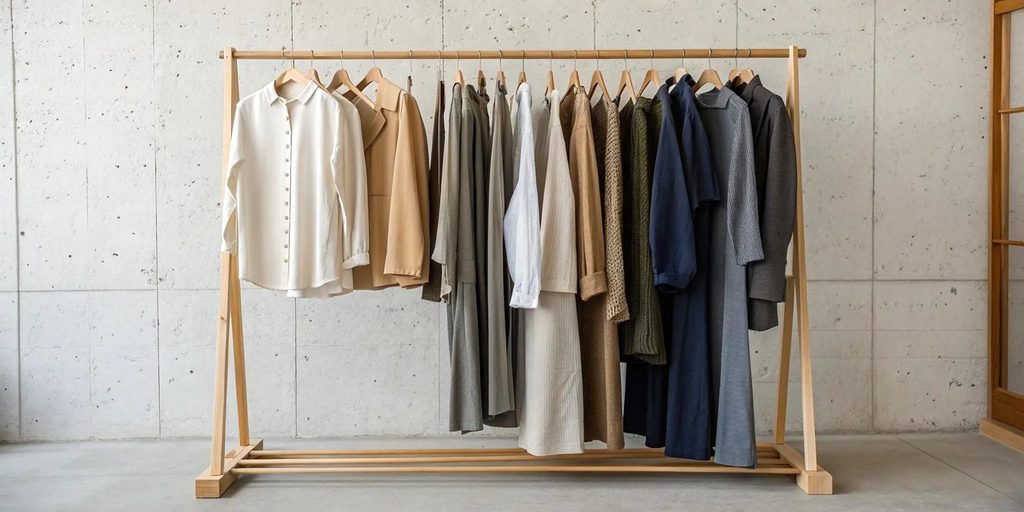
Potential growth markets
The industry may find opportunities in:
- Australia and New Zealand.
- Japan and South Korea.
- India and other Asian markets.
- The Middle East.
- Latin America.
- Emerging retail markets in Africa.
Each market has different customer preferences, product standards, labeling requirements, tariffs, and business practices. Success will require more than simply offering low prices.
What international buyers will expect
Future buyers will increasingly look for suppliers that can offer:
- Consistent product quality.
- Competitive and transparent costing.
- Reliable delivery schedules.
- Flexible product development.
- Compliance with destination-market requirements.
- Strong communication and documentation.
For sourcing agencies, this creates an opportunity to connect manufacturers with buyers who need market-specific knowledge and dependable coordination.
5. The Rise of Value-Added and Technical Apparel
One of the most important future trends is the move from basic volume production toward more specialized apparel.
Value-added garments typically require additional design, technical, material, or manufacturing expertise. They may involve more complex construction, specialized fabrics, performance features, or premium finishing.
Examples of value-added apparel
- Performance sportswear.
- Technical outerwear.
- Premium knitwear.
- Functional workwear.
- Sustainable fashion collections.
- Advanced stretch garments.
- Specialized children’s apparel.
- Fashion garments with intricate details.
These products may offer better opportunities for differentiation, but they can also require more demanding quality control, sampling, testing, and production management.
Why this matters for Bangladesh
The country’s existing apparel manufacturing base provides a platform for developing new capabilities. However, moving into higher-value products requires investment in:
- Research and development.
- Fabric and trim sourcing.
- Technical design.
- Product testing.
- Skilled production teams.
- Specialized machinery.
- Quality assurance.
The future competitive advantage will come from capability, not just capacity.
For buyers, the right sourcing partner can help identify factories that are suitable for the exact product rather than relying only on a factory’s general garment production experience.
6. Supply Chain Transparency Will Become Essential
Modern apparel buyers want to know more about where their products come from, how they are made, and whether suppliers meet responsible sourcing requirements.
Supply chain transparency involves understanding the stages from raw materials through production, finishing, packing, and shipment.
Important areas of transparency
A future-ready apparel supply chain should support visibility into:
- Fabric and raw material sources.
- Factory identity and production location.
- Manufacturing processes.
- Quality inspection records.
- Social compliance and worker safety.
- Environmental performance.
- Shipment and order documentation.
International brands may also require supplier assessments, audit records, restricted-substance controls, and product-specific certifications.
How sourcing agencies can help
An experienced apparel buying agency can support buyers by coordinating communication between brands and factories, collecting relevant documents, monitoring production milestones, and helping identify potential risks before shipment.
At ELITE SOURCING BD, the goal is to make apparel sourcing more organized, transparent, and dependable for international customers.
7. Skills Development and Worker Well-Being Will Shape Industry Growth
Technology and investment are important, but people will remain at the center of garment manufacturing.
Bangladesh’s apparel industry depends on a large workforce with experience in sewing, production, finishing, quality control, and factory operations. As manufacturing becomes more advanced, workers will need opportunities to develop new skills.
Skills needed for the future
- Advanced machine operation.
- Digital production systems.
- Technical garment construction.
- Quality assurance.
- Equipment maintenance.
- Production planning.
- Supervisory and management skills.
- Workplace safety and responsible manufacturing.
Worker well-being is also essential to sustainable business performance. Safe working conditions, fair treatment, training, and responsible employment practices support a healthier and more resilient industry.
A factory that invests in its workforce may be better equipped to maintain product quality and respond to changing buyer requirements.
8. Trade Policy and Global Economic Changes Will Affect Competitiveness
The future of Bangladesh’s garment industry will also depend on international trade conditions.
Changes in tariffs, trade preferences, exchange rates, shipping costs, consumer demand, and geopolitical conditions can influence apparel sourcing decisions.
Bangladesh’s upcoming transition from least-developed-country status has made trade policy and market access important strategic issues for the apparel sector. BGMEA has highlighted the need to prepare for changing trade conditions and maintain access to international markets.

What manufacturers and buyers should focus on
Market diversification: Reduce overdependence on a small number of destinations.
Trade compliance: Understand applicable rules of origin, customs requirements, and buyer obligations.
Cost management: Improve productivity and reduce avoidable production losses.
Resilient sourcing: Develop backup options for materials, factories, and logistics when appropriate.
Long-term relationships: Build supplier partnerships that can withstand market fluctuations.
For global apparel buyers, a sourcing partner with strong communication and an understanding of Bangladesh’s manufacturing environment can help manage these uncertainties.
9. Digital Product Development Will Speed Up the Fashion Supply Chain
Fashion brands are under pressure to launch new products faster while managing costs and reducing waste. Digital product development may play an increasingly important role in meeting these demands.
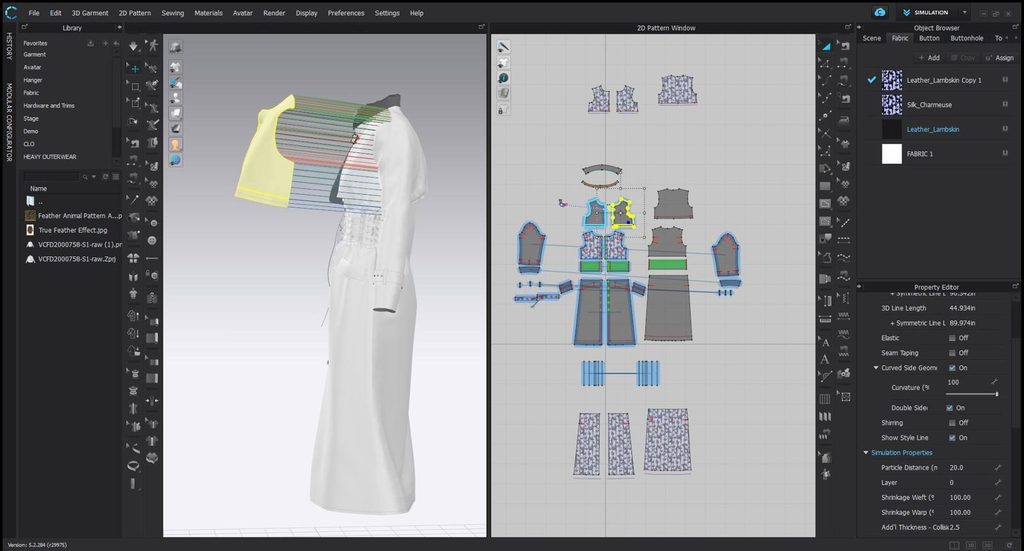
Technologies to watch
3D garment visualization
Digital garment models can support design reviews and help teams evaluate shape, fit, and styling before physical samples are finalized.
Digital tech packs
Organized specifications, measurements, construction details, and material information can improve communication between buyers and factories.
Virtual sampling
Digital tools may reduce unnecessary physical sample iterations in suitable product-development workflows, although physical testing and approval remain important for many garments.
AI-assisted design and planning
AI tools can support creative ideation, forecasting, and repetitive administrative tasks when used with human oversight.
Benefits for international buyers
Digital product development may help brands:
- Improve communication.
- Reduce avoidable sample revisions.
- Shorten selected development stages.
- Track design changes more efficiently.
- Coordinate across international teams.
The opportunity is especially relevant for fashion brands managing multiple collections and suppliers.
10. What the Future Means for International Apparel Buyers
The future of Bangladesh’s garment industry presents opportunities for buyers who choose suppliers strategically.
As the industry evolves, the most successful sourcing relationships will likely depend on more than price negotiations.
A practical sourcing framework
1. Select factories based on product suitability
A factory specializing in basic knitwear may not be the best choice for technical outerwear or complex fashion garments.
2. Review quality systems
Ask about inspection procedures, sample approval, defect management, and production controls.
3. Evaluate sustainability and compliance
Check relevant certifications, audit reports, environmental practices, and buyer-specific requirements.
4. Assess production capacity
Confirm whether the factory can meet the required order quantity, delivery schedule, and product complexity.
5. Build clear communication channels
Reliable communication helps resolve design changes, material issues, and production challenges.
6. Plan for long-term growth
A strong supplier relationship can support product development, repeat orders, and improved sourcing efficiency over time.
Why an apparel buying agency matters
International buyers may face challenges when sourcing directly from unfamiliar factories. A sourcing agency can provide local market knowledge, supplier coordination, quality monitoring, and communication support.
For many brands, the agency’s value lies in helping connect the right product requirements with the right manufacturing capabilities.
The Role of ELITE SOURCING BD in the Future of Bangladesh Apparel Sourcing
At ELITE SOURCING BD, we believe the future of apparel sourcing is built on trust, quality, responsible manufacturing, and long-term business relationships.
As Bangladesh’s garment industry continues to evolve, our focus is to support international apparel buyers with organized sourcing solutions and dependable supplier coordination.
Our sourcing approach
Factory and supplier sourcing
Identifying suitable manufacturing partners based on product requirements, capacity, and buyer expectations.
Product development and sampling
Supporting communication around garment specifications, materials, samples, and approval stages.
Quality and compliance coordination
Helping buyers organize quality requirements and relevant supplier documentation.
Production and shipment support
Coordinating order progress, communication, and delivery-related requirements.
Our objective is to help brands source apparel from Bangladesh with greater confidence and a clearer understanding of their supply chain.
For buyers who value quality, responsible production, and reliable communication, Bangladesh remains an important sourcing destination with significant future potential.
A More Innovative and Sustainable Future
The future of the garment industry in Bangladesh is full of opportunity. The country has built a strong foundation in apparel manufacturing, and the next phase of growth will depend on innovation, sustainability, product diversification, technology, and international collaboration.
The industry must continue to improve productivity, develop skilled workers, strengthen compliance, and respond to changing global market expectations. Manufacturers that invest in quality and responsible production will be better positioned to compete in the evolving apparel market.
For international buyers, Bangladesh offers opportunities to build long-term sourcing relationships with capable suppliers and explore a wide range of apparel products.
The future belongs to garment manufacturers and sourcing partners who combine competitive production with quality, transparency, innovation, and trust.
ELITE SOURCING BD is committed to supporting apparel buyers in exploring sourcing opportunities in Bangladesh and building reliable supply solutions for global fashion brands.
Ready to Explore Apparel Sourcing in Bangladesh?
Whether you are launching a new clothing brand, expanding your product range, or searching for reliable garment suppliers, our team can help you explore sourcing opportunities.
Frequently Asked Questions
1. What is the future of the garment industry in Bangladesh?
The future of Bangladesh’s garment industry is expected to focus on sustainable manufacturing, automation, product diversification, technical apparel, digitalization, and stronger global supply chain relationships.
2. Will Bangladesh remain a leading apparel sourcing destination?
Bangladesh has a well-established apparel manufacturing and export base. Its future competitiveness will depend on productivity, quality, trade access, sustainability, and the ability to meet changing international buyer requirements.
3. What are the biggest opportunities in Bangladesh’s garment industry?
Major opportunities include activewear, premium knitwear, technical garments, sustainable apparel, product diversification, digital production systems, and expanding into new export markets.
4. Why is sustainability important for garment manufacturing?
Sustainability helps manufacturers respond to environmental expectations, improve resource efficiency, and meet relevant customer and market requirements. It can also support stronger long-term sourcing relationships.
5. How can international buyers source garments from Bangladesh?
Buyers can work directly with suitable manufacturers or partner with an apparel buying agency. A sourcing agency can support supplier identification, product development, quality coordination, and production communication.
6. Will automation replace workers in Bangladesh’s garment industry?
Automation will change many production tasks, but skilled workers will remain important for garment construction, quality control, supervision, and technical operations. Training and workforce development will be essential.
7. What role does ELITE SOURCING BD play in apparel sourcing?
ELITE SOURCING BD supports international apparel buyers with sourcing coordination, product development, quality-related support, and communication with suitable manufacturing partners in Bangladesh.